BC Rejects Airbnb's FIFA Exemption as STR Rules Test World Cup Markets
Sarah
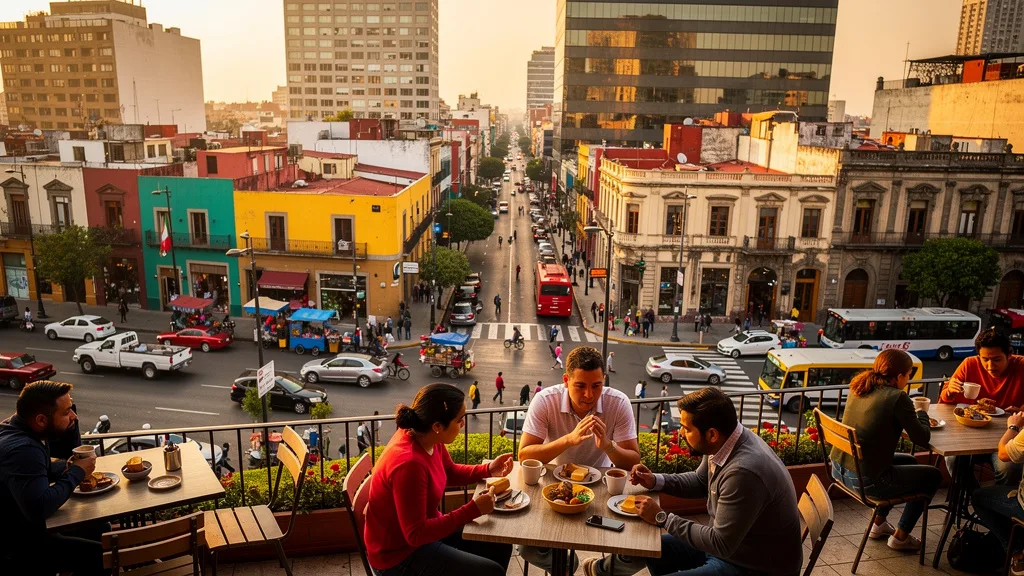
Three cities made news this week for opposite reasons: one government said no to loosening short-term rental rules, another is reviewing its framework, and a court in a third ordered a moratorium struck down. For STR operators with inventory near FIFA World Cup host cities, the pattern matters more than any single ruling.
Vancouver holds the line
British Columbia Premier David Eby publicly rejected Airbnb's request for a temporary exemption to the province's principal-residence requirement during the FIFA World Cup, which kicks off next month with Vancouver as one of the host cities. Airbnb had commissioned Deloitte to model the accommodation gap—the analysis projected a shortfall of 70,000 nights over the tournament's nine most critical days, leaving up to 15,000 fans per day without accommodation at peak demand—and used that figure to push for an "event exemption" similar to temporary rules introduced in the UK and Japan for past major events.
The answer was no. Eby told reporters the province would not change the rules, citing concerns about displacing residents who work in Vancouver during the tournament. The City of Vancouver confirmed separately that it is not considering any changes to its short-term rental bylaws either.
For property managers holding non-primary inventory in BC, there is no exemption window opening before kickoff. BC's short-term rental registry—active since May 2025—requires STR hosts in most communities to be renting their principal residence, with a business licence on file. Operators who were waiting for a policy shift should not count on one.
Mexico City is in a different position
The city's short-term rental regulation—informally called the "Airbnb Law"—caps a single property's annual STR use at 50%, requires host registration, and excludes social-housing units. But it has been in legal limbo since 2024, with multiple constitutional injunctions (amparos) blocking enforcement for many operators.
Now, city officials have confirmed they are reviewing the framework ahead of the tournament. An estimated 44,000 visitors are expected to use short-term rental accommodation during the World Cup, and hotel supply alone is widely seen as insufficient. The mayor's office used the word "tourismophobia" in framing the review, which signals the political direction is toward softening enforcement rather than formally changing the rules.
That legal patchwork makes compliance complicated. Which rules apply to a specific property depends partly on whether that property is covered by existing injunctions—which vary. Property managers in Mexico City should do a property-by-property compliance read rather than relying on any single citywide interpretation.
Valencia's court ruling opens a window, but slowly
On April 14, the Tribunal Superior de Justicia de la Comunitat Valenciana ruled that the city's tourist housing moratorium—which had paused new short-term rental license applications since May 2024—was procedurally invalid. The court found the city had relied on a legal provision that did not actually authorise suspending the processing of change-of-use applications.
That is useful news for operators who had applications stuck in the queue. But it is not a clean green light. The Valencia City Council is studying an appeal to Spain's Supreme Court, and a separate March 31 ordinance is already in force: a 2% cap on tourist apartments per neighbourhood housing stock, an 8% cap on tourist places per neighbourhood population, and a requirement that new units have independent street access from ground or first floors only. Whether stuck applications can be processed retroactively under the old rules—or must be refiled under the new ordinance—remains unresolved.
The wider picture
Three short-term rental markets, each with significant FIFA World Cup exposure, are making different choices on the same underlying tension between visitor demand and residential housing pressure. Vancouver is enforcing. Mexico City is pausing. Valencia is recalibrating after a court ruling. Operators running inventory across multiple jurisdictions need to read each market on its own terms rather than waiting for a single regulatory signal. The World Cup pressure is revealing which cities have firm rules and which ones don't.
Source: Airbnb Newsroom