The Great Hotel Comeback: Why Travelers Are Choosing Hotels Over Airbnbs Again
Sarah
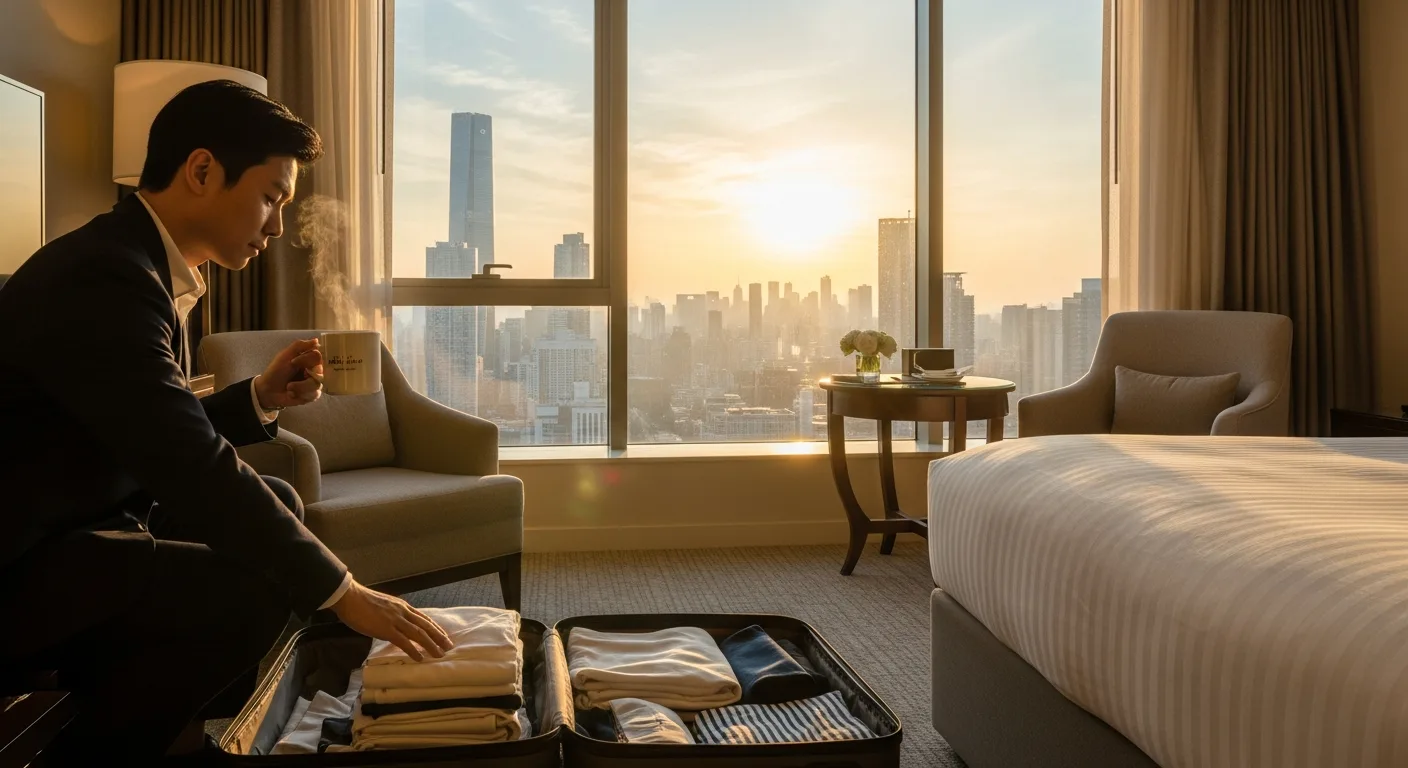
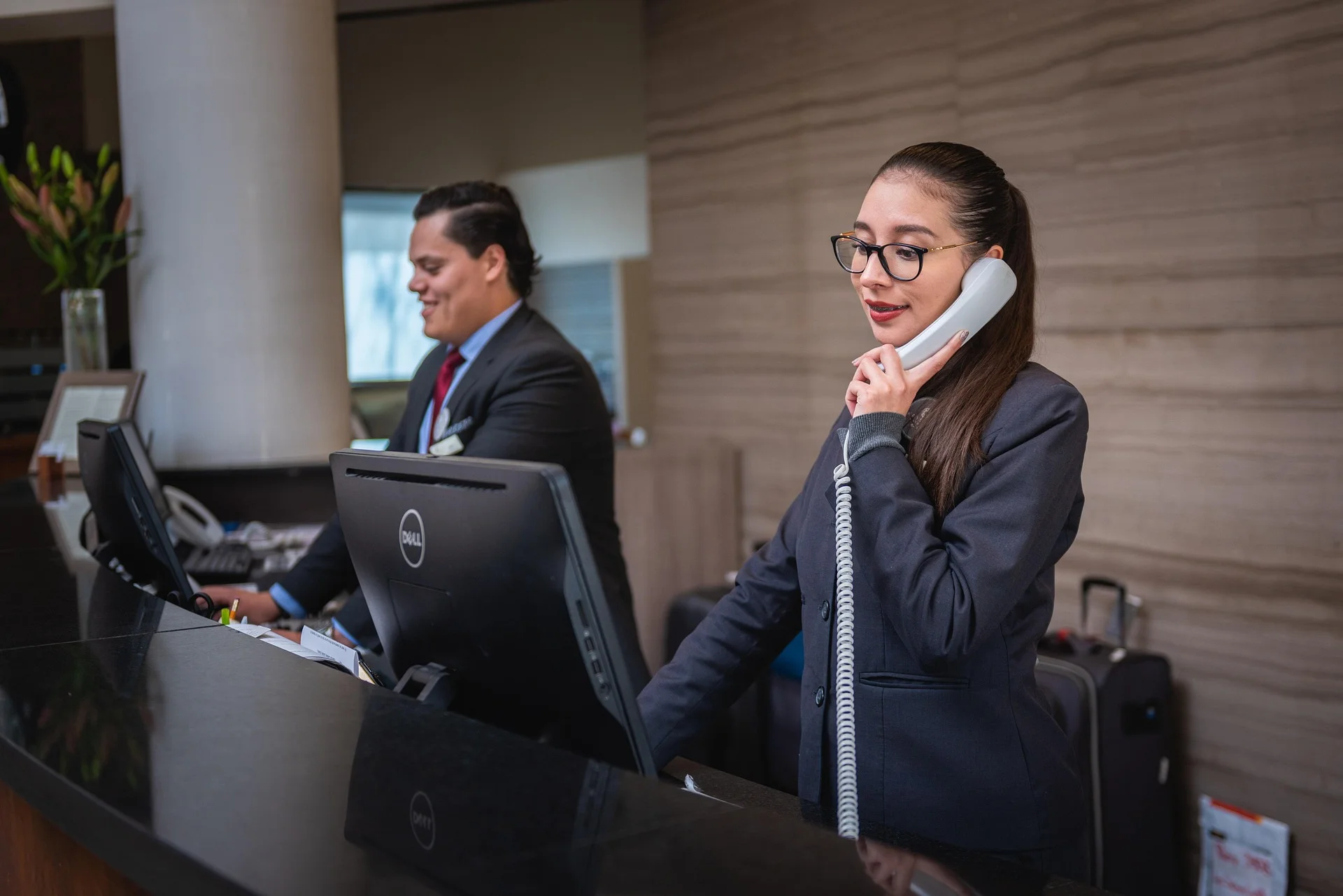
Something shifted in 2025 — and short-term rental operators who aren't paying attention are about to get blindsided by the hotel industry's comeback.
In early January 2026, a Reddit thread titled "Are hotels superior to Airbnbs again?" exploded with thousands of comments from travelers explaining why they've stopped booking short-term rentals. The complaints were brutally specific: cleaning fees stacked on top of checkout chores, price parity with hotels but without hotel-level service, unpredictable house rules, and safety concerns without the institutional oversight hotels provide.
This isn't just anecdotal grumbling. It's a signal that the "Airbnb by default" era has ended for a significant consumer segment — couples, business travelers, and convenience-seekers who once chose STRs for price and novelty but now prioritize predictability and value.
The market is maturing, and with maturity comes competition. When STR prices match hotels, guests increasingly choose the known commodity with professional service standards over the uncertainty of someone's spare bedroom with a 47-point checkout checklist. For STR operators, the rules of engagement just changed.
How STRs Went From Disruptor to Parity Player
The golden era (2015–2020). STRs typically priced 30–50% below hotels. "Live like a local" resonated with millennials. Kitchens, living rooms, and multi-bedroom layouts served families and groups. Unique properties — treehouses, lofts, historic homes — were scarce in hotel inventory. Rules were flexible, atmosphere casual. Hotels were expensive for large groups, generic in design, rigid on check-in and check-out, without kitchens, and light on local character. STRs won on price, space, and experience.
The parity era (2021–2025). Cleaning fees ballooned from $50 to $150–250+ per stay. Hosts piled on pet, extra-guest, event, and parking fees. Platform fees crept up — roughly 14%+ guest service fee plus a 15.5% host fee on Airbnb. Regulations added registration fees, taxes, and compliance costs. Meanwhile professionalization raised guest expectations to hotel level. On the hotel side, digital booking improved (apps, flexible cancellation, mobile check-in), prices matched STR rates in many markets, experiences evolved with curated local guides and partnerships, loyalty programs matured with points and elite benefits, and safety became a marketing asset tied to professional cleaning, standardized operations, and brand accountability. The price gap closed while the service gap widened — and not in STRs' favor.
The Pricing Paradox: When Cleaning Fees + Nightly Rate = a Hotel Room
Work through the math and it becomes clear why travelers are switching.
3-night stay, solo or couple. Airbnb: $120/night + $180 cleaning + ~$70 service fee = $610 total, effectively $203/night. Comparable hotel: $180/night with daily cleaning, breakfast, and amenities, no extra fees = $540 total, effectively $180/night. Guest math: "I'm paying more for the Airbnb, and I have to strip the beds and take out the trash. Why am I doing this?"
3-night stay, family of four. Airbnb 2-bedroom: $250/night + $300 cleaning + ~$132 service fee = $1,182 total, ~$394/night. Hotel suite or 2 adjoining rooms: $400/night = $1,200 total, $400/night. Guest math: "Price is basically the same, but the hotel has a pool, breakfast, daily cleaning, and a 24/7 front desk. Plus I don't have to worry about breaking house rules."
Where STRs still win: large groups (6+ people) and week-plus stays where the cleaning fee amortizes across many nights. Where hotels now win: solo, couple, and short-stay travelers who don't need space but value service and convenience.
Consumer Complaints Decoded
The Reddit thread and consumer press coverage reveal specific pain points STR operators need to address.
Cleaning fees + checkout chores. Guests are paying a $200 cleaning fee and being asked to strip beds, start the dishwasher, take out trash, and sweep floors. Hotels charge $180/night, clean daily, change linens, restock toiletries, and never ask the guest to lift a finger. When STRs charge comparable total prices but demand work from guests, it feels like a rip-off. Pick a lane: budget model (lower rate, lower cleaning fee, accept that light checkout tasks are a reasonable ask) or premium model (charge hotel-competitive rates, eliminate checkout chores, provide hotel-level service). Charging premium rates while demanding checkout labor is the worst of both worlds.
House rules out of control. "No shoes. No food in bedrooms. Check-in only 4–6pm. Quiet hours 9pm–8am. No parties. No extra guests. Must use provided towels for the beach. Replace firewood if used." Hotels enforce simple rules: don't smoke, don't damage anything, don't disturb neighbors. Excessive STR rules make guests feel unwelcome in a space they're paying $150–300 a night to occupy. Audit your rules and ask "would a hotel enforce this?" Keep the essentials (no parties, no smoking), drop the micromanagement.
The safety and accountability gap. Who do guests call at 2 a.m. if there's a problem? Viral bedbug incidents, hidden camera stories, and lack of professional oversight make guests — especially solo women travelers and families — feel less safe than they would at a hotel with a 24/7 staffed front desk. If you can't provide professional-level support, you're at a structural disadvantage. Consider co-hosting with after-hours support, smart home tech, partnerships with local security or concierge services, and explicit safety messaging.
Unpredictability vs consistency. With a Marriott, guests know exactly what they're getting. With Airbnb, it might be a beautiful loft or a basement with mildew — depending on whether the photos were accurate. For leisure explorers, variety is a feature. For business travelers, families with small kids, or anyone with a bad STR experience in memory, predictability is worth paying for. Standardize quality across your portfolio, develop SOPs for cleaning and communication, and invest in professional photography that accurately represents the space.
Everything costs extra. A $100/night listing can become $425 once you add the $200 cleaning fee, $50 pet fee, $25/person above 2 guests, $30 "resort fee," and $20 parking. Hotels bundle costs into the nightly rate. Consider all-inclusive pricing for short stays (build the cleaning fee into the nightly rate), eliminate garbage fees that aren't tied to real costs, and compare your total cost to local hotels — if your final price exceeds hotels without clearly superior value, you're vulnerable.
Where STRs Still Win vs Where Hotels Now Win
The hotel comeback isn't universal. It's segment-specific.
STRs continue to dominate in large-group travel (6+ people, where one whole-house rental outperforms multiple hotel rooms), extended stays (7+ nights, where kitchens save on meals and cleaning fees amortize), unique and experiential properties (treehouses, houseboats, converted barns — hotels can't offer these at scale), and pet-friendly travel (more flexible policies, private yards, fewer breed restrictions).
Hotels are winning back solo and couple short stays (1–4 nights, where cleaning fees kill STR economics), business travel (predictable WiFi, expense-friendly, loyalty programs, central locations), urban convenience travel (prime locations, concierge services, safety perception), and luxury travel (full-service amenities, consistent standards, status recognition — very hard to deliver at individual-property scale).
If solo and couple short stays are your core market, you're vulnerable. Either lower cleaning fees for short bookings or shift targeting to segments where STRs structurally win.
Six Competitive Responses for STR Operators
1. Elevate service standards. Stop competing on price; compete on experience. Pre-arrival: detailed welcome emails 48 hours out, personalized local recommendations, clear entry and parking instructions, offers of early check-in or late checkout where possible. Check-in: seamless digital check-in, welcome package (local treats, guidebook, recommendation card), personal welcome message, every system tested before arrival. During stay: 24/7 responsive support, thoughtful touches (quality toiletries, stocked coffee, local guidebook), proactive mid-stay check-ins for longer bookings. Checkout: minimal or zero chores — "enjoy your last morning, just lock up when you leave" — followed by a thank-you message.
2. Fee transparency and rationalization. Audit your fees. Is the cleaning fee necessary? For short stays, build it into the nightly rate. Are per-person fees after 2 guests reasonable? (Hotels don't charge for a 3rd or 4th person in the same room.) Are you charging fees that don't reflect actual costs? Eliminate them. Guests compare your nightly rate to hotels first — if that number is competitive but the total lands higher due to fees, you lose the booking. Better to show a higher nightly rate that's competitive on total cost.
3. House rule rationalization. Eliminate rules a hotel wouldn't enforce. Keep the essentials (no smoking, no parties, respect neighbors). Simplify check-in and check-out times to match hotel flexibility. Drop the micromanagement ("must use coasters," "shoes off at the door," "no food in bedroom"). Reframe remaining rules positively: instead of "NO PARTIES OR YOU WILL BE CHARGED $1000," try "We're in a residential neighborhood — please be considerate of neighbors after 10pm." Guests who feel trusted behave better than guests who feel monitored.
4. Safety credentialing. Address the safety perception gap directly. Professional key exchange (digital locks, not "key under the mat"). Smoke and CO detectors, a first aid kit, a fire extinguisher. Emergency contact sheet with local hospital, police, and host contact. Well-lit exterior and entry. Consider STR hosting certifications and professional cleaning certifications you can display. Photograph safety equipment in the listing and include a clear emergency procedures section in the welcome book.
5. Property type optimization. Not all properties can compete with hotels — and that's okay. Strong STR properties tend to have 3+ bedrooms, unique character, exceptional locations, or specialized amenities (hot tub, game room, chef's kitchen, dedicated workspace). Vulnerable properties are 1-bedroom urban apartments, generic suburban homes without character, and properties that require a significant drive to attractions. For vulnerable properties, strategic options include pivoting to extended stays or corporate housing (30+ days sidesteps the cleaning fee problem), cutting prices to compete on value, adding unique amenities, or selling before the market shifts further.
6. Direct booking emphasis. Every direct booking saves 15–30% in platform fees, and those savings can fund the service improvements that help compete with hotels. Build a simple booking site, invest in SEO for "[city] vacation rental [unique feature]" terms, capture guest email where platform rules allow, and offer repeat-guest discounts for direct booking. Realistic expectations: it takes 2–3 years to build meaningful direct volume, it requires marketing investment, and some jurisdictions restrict STR advertising.
What to Measure Monthly
Track occupancy trends (year-over-year rate, lead time, cancellation rate), pricing and revenue metrics (ADR, RevPAN, total guest cost vs local hotels), guest experience signals (review scores and sentiment, repeat booking rate, whether cleaning fees are being mentioned negatively in reviews), and competitive position (your ranking vs comparable properties, competitor pricing, and the price gap to local hotels).
Bottom Line: Differentiate or Decline
The hotel industry spent 2020–2024 improving digital booking, standardizing service, and competing aggressively on price. They learned from STRs and adapted. Now STR operators face the same challenge.
The hard truths: the price advantage is gone for solo and couple short stays; the service gap favors hotels for convenience travelers; safety perception favors hotels for risk-averse guests; and brand trust favors hotels for travelers who want predictability.
The opportunities: STRs still win for groups, extended stays, unique experiences, and pet travel; hotels can't replicate character, space, and home environment; professionalized STR operators can compete with hotel-level service; and direct booking economics allow reinvestment in guest experience.
The strategic choice: compete on volume (lower prices, lower margins, target budget-conscious travelers), compete on experience (elevate service, differentiate, target segments where STRs win structurally, invest in direct bookings to improve margins), or exit the market (if economics don't work and differentiation isn't possible). The worst option is to do nothing. If you operate the same way in 2026 that you did in 2020, you'll lose ground.
The Great Hotel Comeback isn't about hotels being better than STRs. It's about hotels being better than they used to be, while many STRs got more expensive and less service-oriented. Close that gap, or watch guests choose predictability over your property.