Hotels.com Report: 37% of US Workers Travel More for Business Than Pre-Pandemic
Sarah
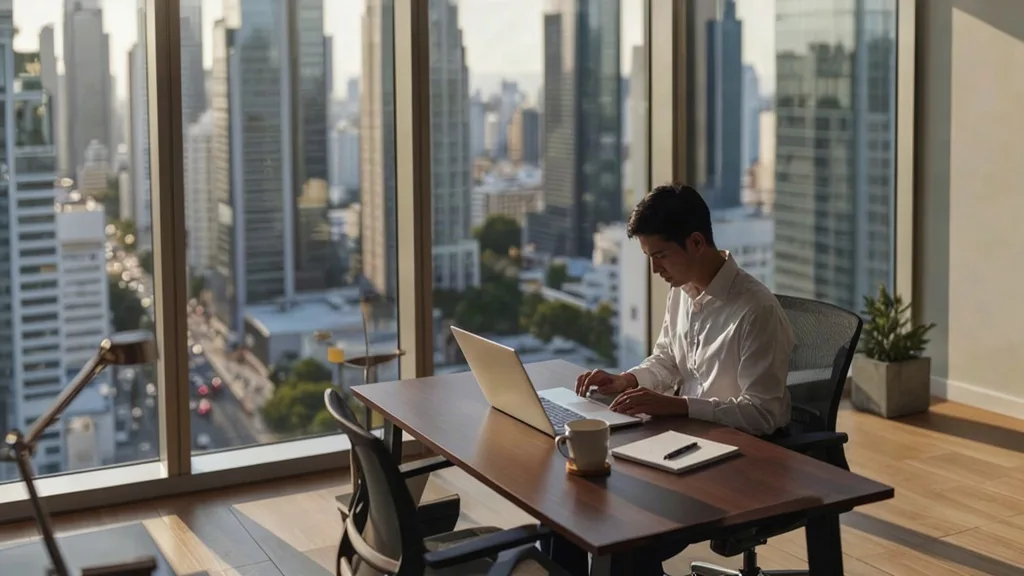
Business travel is not simply back for a large slice of the American workforce. It is running ahead of where it was before COVID-19, with 37% of respondents to a new Hotels.com survey saying they travel more for work now than they did before the pandemic. The report also puts numbers on the budgets and amenities that decide where those trips get booked.
The "Booked for Business" report found the average business traveller spends 10 nights a year away on work trips. Technology employees and tradespeople take the most frequent trips, averaging five to six a year, and technology workers reported travelling 50% more often than they did pre-pandemic.
The spending figures are the part operators can act on. The overall reported daily allowance came in at $115. Finance workers reported the highest per diem at $134, followed by technology at $131 and energy and renewables at $127. Government workers reported the lowest, at under $79 a day. On accommodation specifically, respondents reported an average hotel budget of $236 per night, rising to $264 among technology professionals.
What business travellers actually want in a room
Free breakfast topped the list of valued hotel benefits, cited by 49% of respondents. Loyalty rewards came second at 39%, and flexible check-in third at 37%. Preferences split sharply by profession. Sixty percent of journalism and publishing workers said a quality hotel gym is an important part of a work stay, while 52% of sales and marketing workers said a hotel bar defines a good business trip.
The line between work and leisure keeps blurring. Nearly two-thirds of respondents, 63%, said the best business travel destinations make it easy to combine meetings with personal time. New York, Los Angeles and Miami ranked highest for that kind of trip, with London, Tokyo, Toronto, Paris, Singapore, Amsterdam and Rome also named. June and September came out as the busiest months for work travel, useful timing information for anyone setting rates on a corporate-heavy calendar.
Generational differences showed up in loyalty behaviour. Gen Z respondents reported travelling for work more than any other generation and were more likely to change their routines mid-trip, including switching hotel brands and using hotel laundry services. Baby Boomers were identified as the group most likely to stay punctual and stick with a preferred brand. More broadly, 56% of US travellers surveyed said they show a different side of themselves on work trips, rising to 69% among Gen Z, and 58% said they wake up earlier on business trips than on leisure ones.
The product behind the survey
The research does not arrive in isolation. Hotels.com has rolled out business travel features on its website and app that let users save work-trip preferences, filter for business-ready hotels, rebook previous properties and earn rewards inside the same account they use for personal travel. The survey doubles as positioning for that product, aimed at travellers booking their own work trips outside a managed corporate programme.
The usual caveats apply. This is self-reported survey data from US respondents, and Hotels.com did not disclose a sample size. The behavioural findings on personas and punctuality are colour rather than commercial signal. The per diem and nightly budget figures are the numbers worth keeping, particularly the gap between the $115 average allowance and the $236 reported room budget.
Source: Hotel News Resource