Hopper to Pay $35 Million to Settle FTC Hidden-Fee Allegations
Sarah
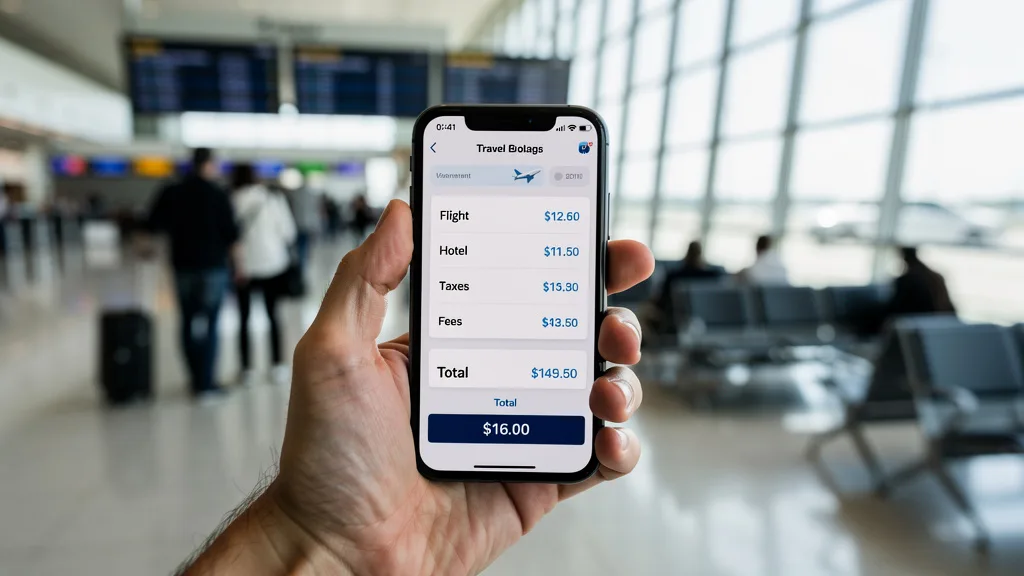
Hopper has agreed to pay $35 million to settle Federal Trade Commission allegations that it charged app users hidden fees without their consent and oversold the benefits of two of its paid products. The settlement was filed on July 2 in the U.S. District Court for the District of Massachusetts, with the Commission voting 2-0 to approve it.
What the FTC alleged
The complaint focuses on Hopper's "Tip" and "VIP Support" fees. According to the FTC, until mid-2023 the app showed users a "total price" and a Swipe to Book button while the two fees sat pre-selected further down the screen, visible only if the user scrolled. Consumers who thought they were paying the advertised total were charged extra, and the fees brought in millions of dollars in additional revenue. The FTC says Hopper has still not made clear since 2023 that Tip fees are optional.
The complaint quotes Hopper's own staff raising flags internally, including one employee who wrote, "To me, the problem here is that we're tricking users." The FTC also says Hopper's internal testing showed most consumers would decline the fees if they were disclosed properly and unselected by default.
Two products drew separate charges. The FTC alleges VIP Support promised instant or near-instant access to customer service that many buyers never got, and that Price Freeze (also sold as Hold the Room) failed to disclose key limits, such as price protection only up to a cap and only while the booking remained available. The agency also says Hopper did not apply the Price Freeze fee toward the final booking cost as promised.
"Hopper deceived consumers by showing them a total price that did not include hidden, pre-selected fees," said Christopher Mufarrige, director of the FTC's Bureau of Consumer Protection.
For short-term lodging bookings, the conduct since May 12, 2025 falls under the FTC's Unfair and Deceptive Fees Rule, the junk-fee regulation that took effect last year. The rest is charged under the FTC Act.
Hopper's response
Hopper settled without admitting the allegations and pushed back hard in a statement the same day. The company calls the claims narrow and outdated, says the display practices were limited to the app and discontinued in mid-2023 before the FTC inquiry began, and stresses that the FTC raised no issues with its current app, website, or B2B business. It points to its ratings (96% of app reviews at 4-5 stars) as evidence it helps rather than harms consumers, and says litigating "ticky-tacky issues" was not worth the distraction. "The settlement amount does not reflect the merit of the claims," the company said.
The $35 million will go to consumer redress. Beyond the payment, Hopper is barred from misrepresenting fees and must clearly disclose all charges and the true total price of every transaction.
Why it matters for operators
This is the most visible enforcement of the FTC's junk-fee rule against a travel platform so far, and it lands on the same channel operators sell through. If you distribute inventory via Hopper, the required changes to fee display should not affect your payouts, but guest-facing prices may shift as previously buried fees become visible upfront. More broadly, the case is a signal to anyone running their own booking engine: pre-ticked add-ons and drip pricing are now a regulatory liability in the US, not just a UX complaint. Total-price display, unticked extras, and honest descriptions of support products are the safe baseline.
Source: Federal Trade Commission