K-Culture Is Sending High-Value Travellers to South Korea — and Airbnb Has the Data to Prove It
Sarah
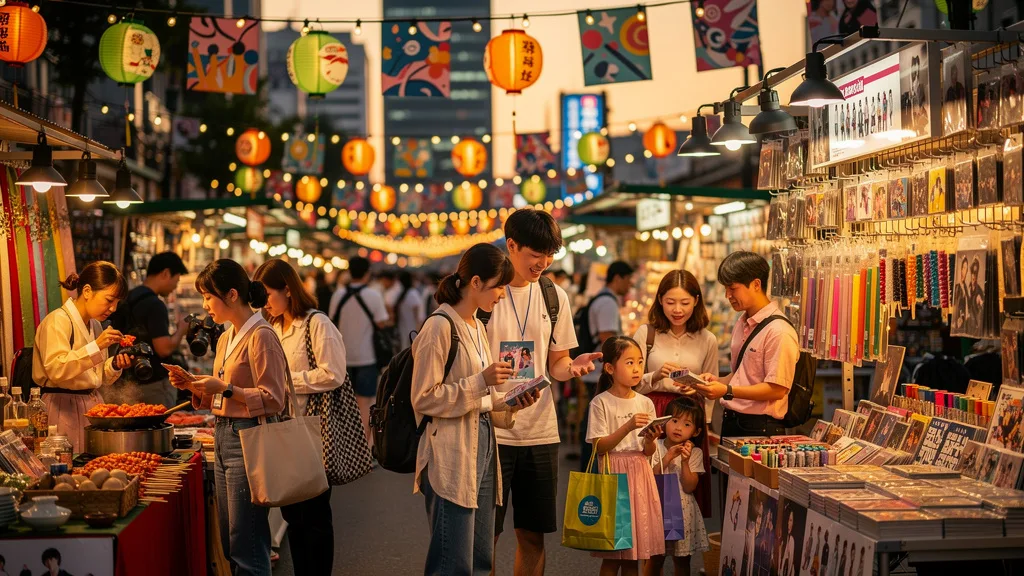
For OTA executives tracking demand signals, few cultural forces right now are as commercially relevant as the global rise of Korean pop culture — and Airbnb has put numbers to it.
A new Airbnb report published 1 May 2026 finds that South Korea's expanding cultural influence is producing a measurably distinct and higher-spending segment of inbound travellers. Visitors drawn by K-pop, K-drama, Korean cuisine, and related cultural content tend to stay longer, spend more per trip, and seek experiences that go deeper than conventional sightseeing.
What the Report Shows
Airbnb's analysis identifies a cohort it characterises as "K-culture travellers" — people whose primary motivation for visiting South Korea is rooted in the country's cultural exports rather than traditional tourism categories such as business travel or generic sightseeing. The headline finding is that this cohort outperforms average travellers on the metrics that matter most to hosts and platforms alike: length of stay, nightly spend, and appetite for local, immersive experiences over standardised hotel product.
The report does not give precise percentage uplifts, but the directional finding is consistent with broader travel industry data showing that fandom-driven and culturally motivated travel tends to produce higher average booking values.
Why It Matters Beyond Korea
The commercial implication extends well beyond any single destination. If a cultural export can be shown to reliably produce a higher-value travel segment, it changes how OTAs approach destination marketing and how hosts in affected markets should price and position their properties.
For Airbnb specifically, South Korea has become a proving ground for what the company calls "cultural demand" — the idea that entertainment, cuisine, and lifestyle trends function as durable demand generators that can be tracked, anticipated, and built into supply strategy. The platform has invested in surfacing culturally relevant stays and experiences in Korean cities as this demand has grown.
The broader pattern — cultural influence creating identifiable, higher-spending travel cohorts — is one that competitors will be watching. Destinations benefiting from similar soft-power dynamics (Japan's anime tourism, Spain's gastronomy-driven visitors, Portugal's digital-nomad pull) are likely to see comparable analyses commissioned across the industry.
Implications for the Accommodation Market
For hosts and property managers operating in South Korea, the report reinforces a strategic case for positioning inventory toward longer-stay, experience-oriented guests. Markets like Seoul, Busan, and Jeju have seen supply growth in recent years; Airbnb's data suggests the demand composition is shifting in ways that favour distinctive, locally rooted listings over generic accommodation.
For OTA strategy teams, the report is a useful benchmark: cultural trend data is increasingly a first-order demand signal, not a soft marketing story.
Source: Airbnb Newsroom